

Why Nvidia’s Groq Deal Matters for the Future of AI Hardware
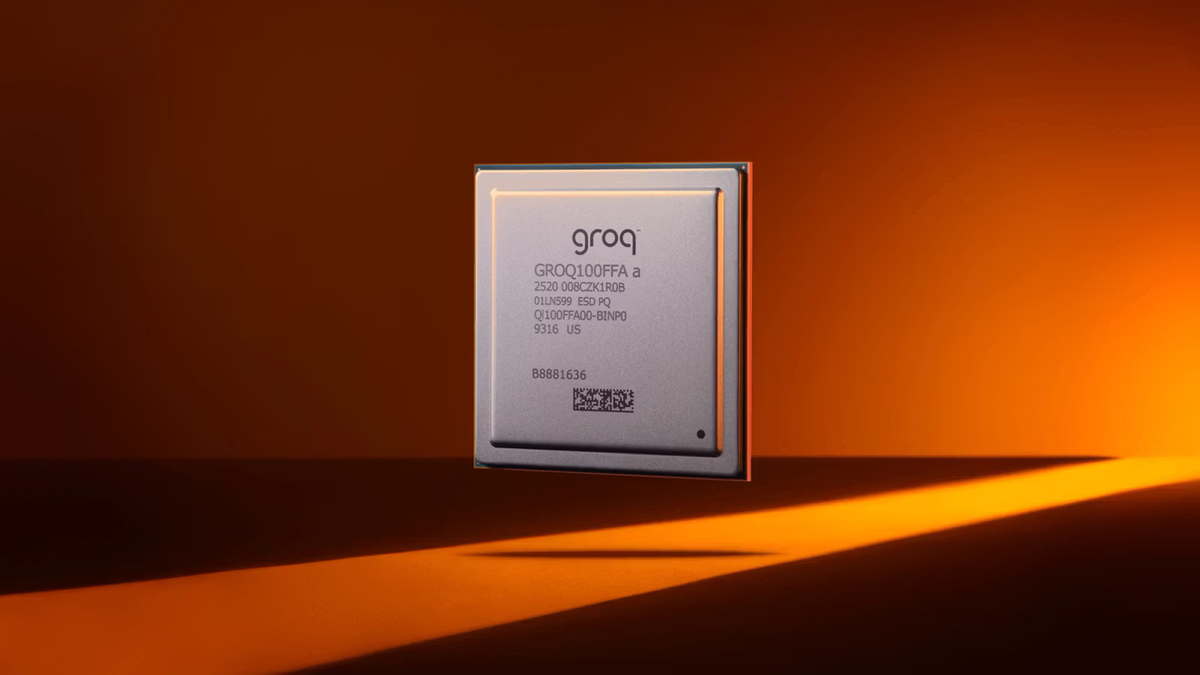
In a major development for the AI hardware industry, Nvidia has entered a transformative deal with AI chip startup Groq, marking one of the most significant strategic moves in the sector in 2025. This partnership, reportedly valued at approximately $20 billion, combines technology licensing with leadership acquisition — without fully absorbing Groq as a subsidiary. (Reuters)
What the Deal Entails
On December 24, 2025, Nvidia announced a non-exclusive licensing agreement with Groq that grants Nvidia rights to integrate and deploy Groq’s AI inference technology — particularly its advanced Language Processing Unit (LPU) architecture — across Nvidia’s product ecosystem. As part of this arrangement, Groq’s founder and key executives, including CEO Jonathan Ross and President Sunny Madra, will join Nvidia to help scale and commercialize the technology. Despite these leadership moves, Groq will continue to operate as an independent company with its cloud business (GroqCloud) intact under new CEO Simon Edwards. (Reuters)
The licensing model allows Nvidia to leverage Groq’s innovations without a traditional acquisition, which likely helps reduce regulatory scrutiny while still securing crucial intellectual property and talent. (Reuters)
Strategic Rationale: Shifting from Training to Inference
Nvidia’s dominance in AI hardware has historically centered on GPUs optimized for model training — tasks that require immense computational throughput. However, as AI use cases broaden, inference (the real-time execution of AI models to deliver results) is becoming increasingly critical. Groq’s LPU architecture is designed for low-latency, high-efficiency inference workloads, making it a strategic complement to Nvidia’s existing platforms. (Investors.com)
By embedding Groq’s technology and expertise, Nvidia can better serve scalable AI applications — from large language models powering chat interfaces to real-time AI in edge devices — where speed and energy efficiency are essential. Analysts and investors interpret this deal as Nvidia’s response to intensified competition from custom silicon initiatives across the industry, including Google’s TPUs and other specialized inference chips. (Investing.com)
Market Reaction and Analyst Views
The market has reacted positively to the announcement. Nvidia’s stock saw gains following the news, supported by analyst upgrades and bullish sentiment from firms such as Rosenblatt, BofA, and Bernstein — which cited the deal’s potential to expand Nvidia’s competitive moat and accelerate its technology roadmap. (Investing.com)
That said, some analysts remain cautious about the strategic logic and underlying performance advantages of Groq’s current technology, particularly regarding memory capacity constraints versus Nvidia’s own chip designs. These voices highlight the complexity and uncertainty inherent in integrating different chip architectures at scale.
Implications for the AI Hardware Ecosystem
For startups and established players in the AI infrastructure space, the Nvidia–Groq deal signals several trends:
- Licensing and talent acquisition are emerging as alternatives to traditional buyouts in acquiring strategic technology.
- Inference-optimized hardware is now a central battleground in the AI hardware race, reflecting broader shifts in how AI services are deployed and consumed.
- Partnership structures that preserve startup independence may influence how other deep-tech firms negotiate collaborations with industry leaders.
For companies building on or around AI compute ecosystems — including cloud providers, edge-AI vendors, and data-center operators — this deal underscores the accelerating demand for hardware that can handle real-time AI workloads efficiently and cost-effectively.
Comments ()